

Slope Stability X26
Africa’s practitioner-led slope stability conference and expo. Two days on the disconnects behind major slope failures, with engineers from Gold Fields, Anglo American, Exxaro Resources and Vedanta Zinc International in the room.
Produced by
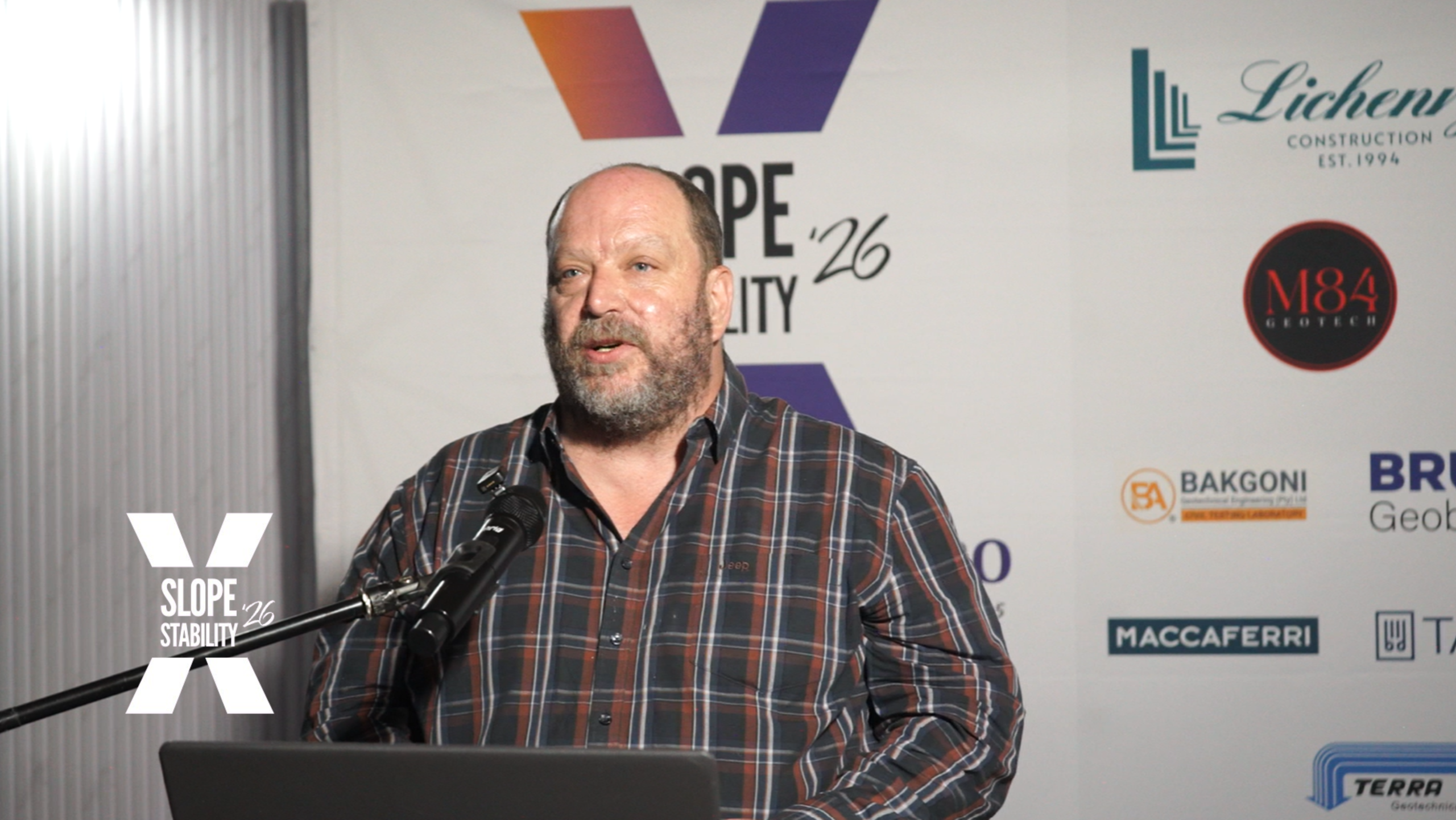
The first Slope Stability X conference and expo
Slope failures rarely come from one bad decision. They come from the gaps between investigation, design, construction, monitoring and governance.
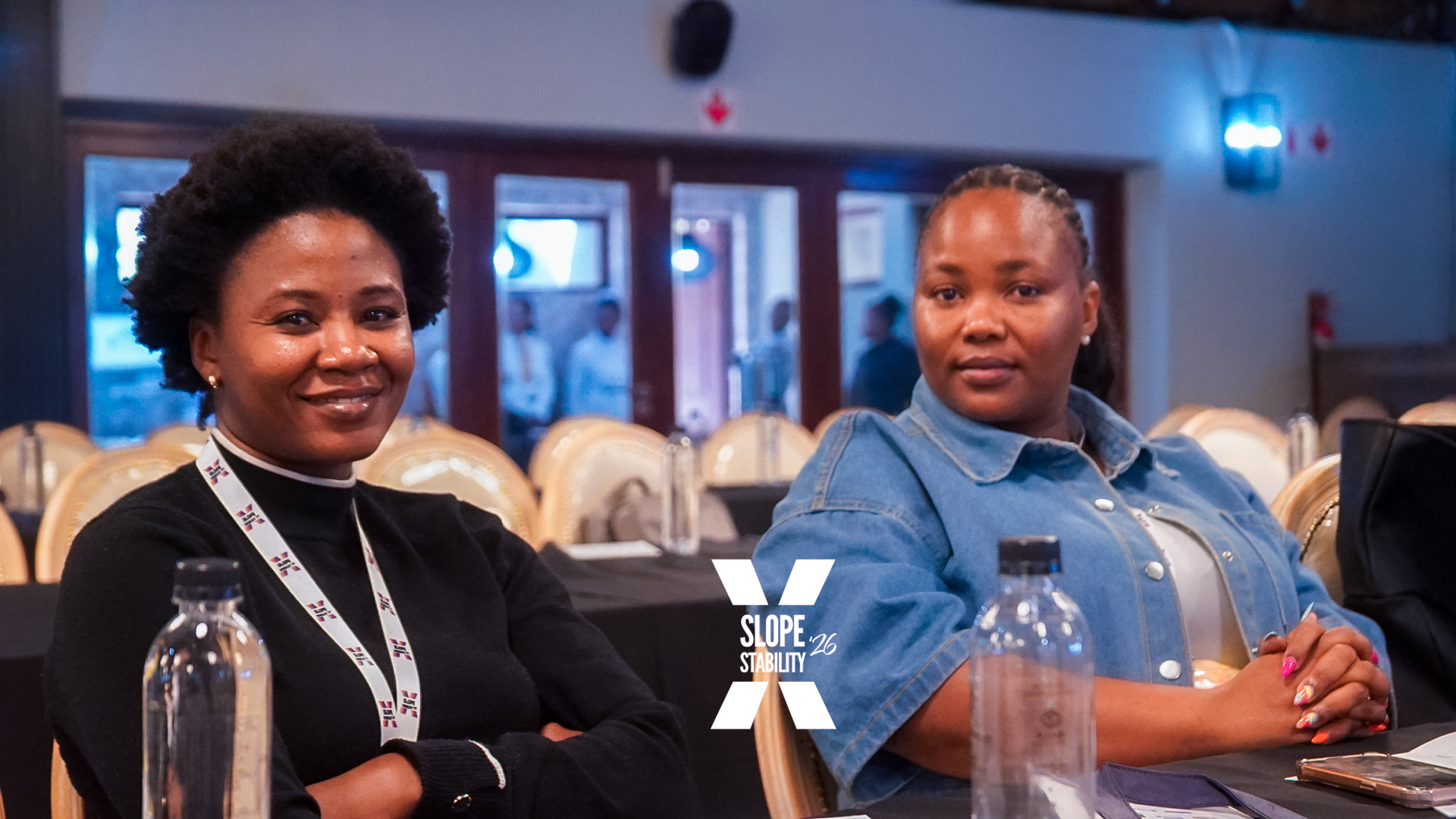
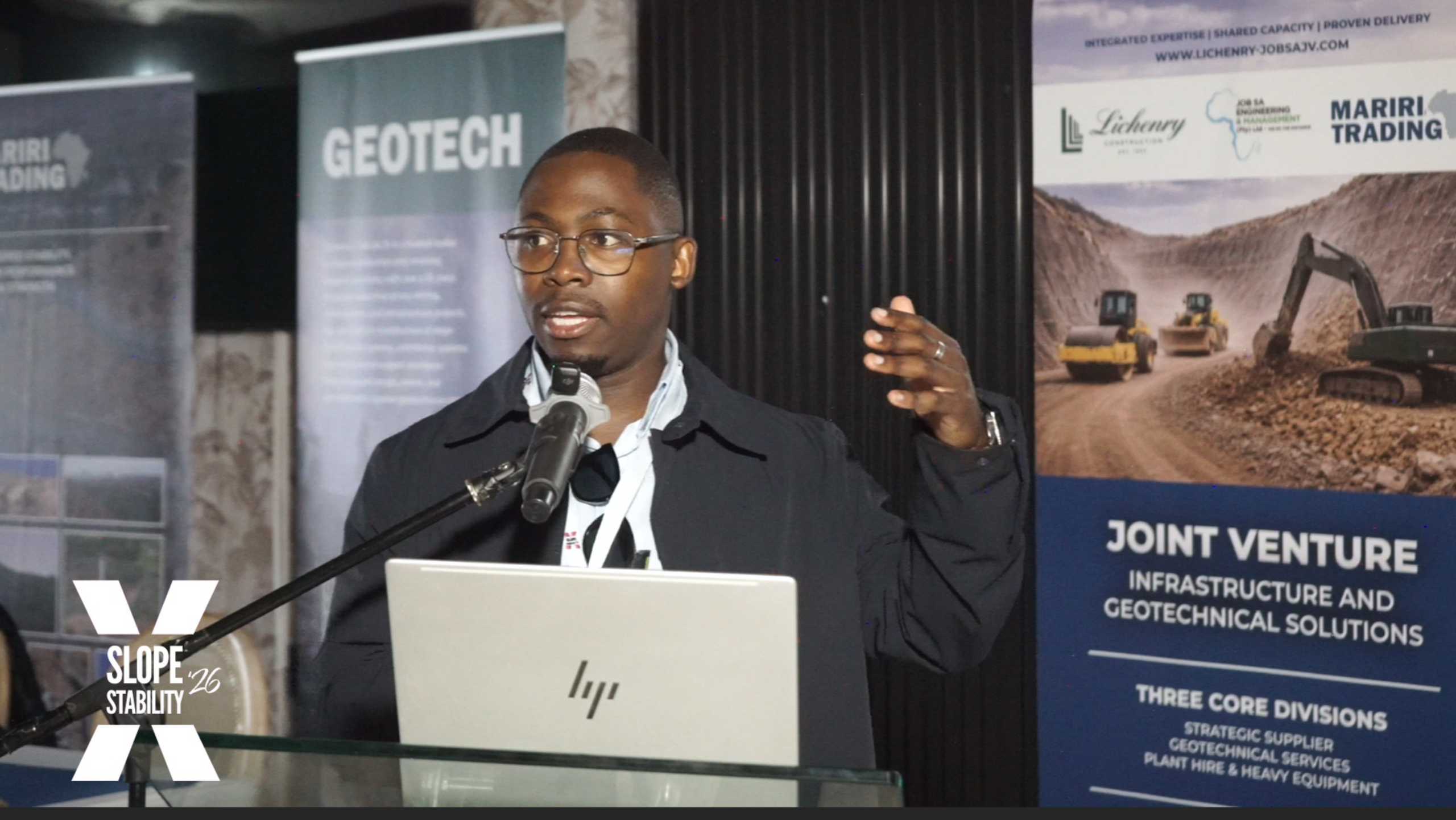
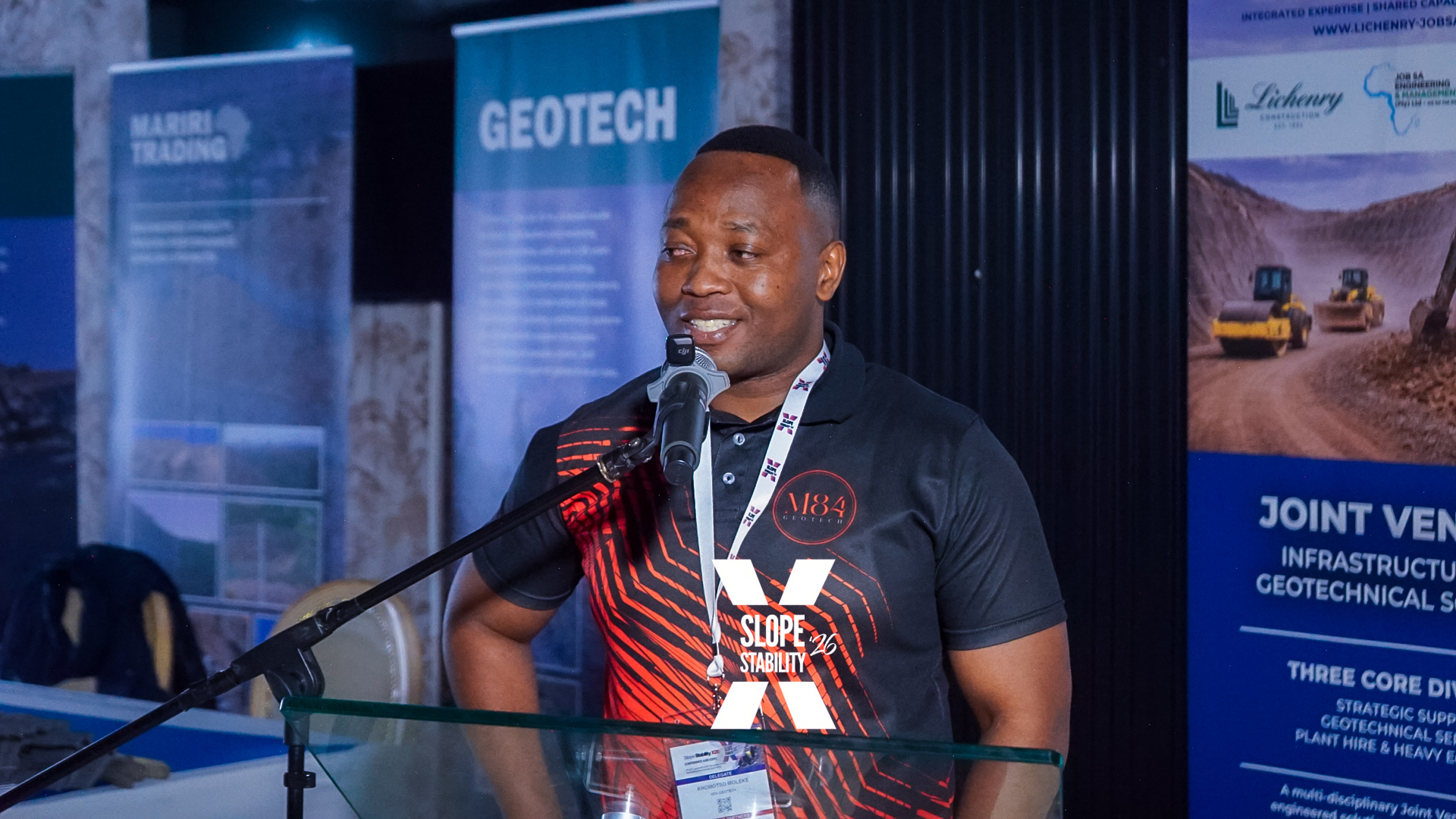
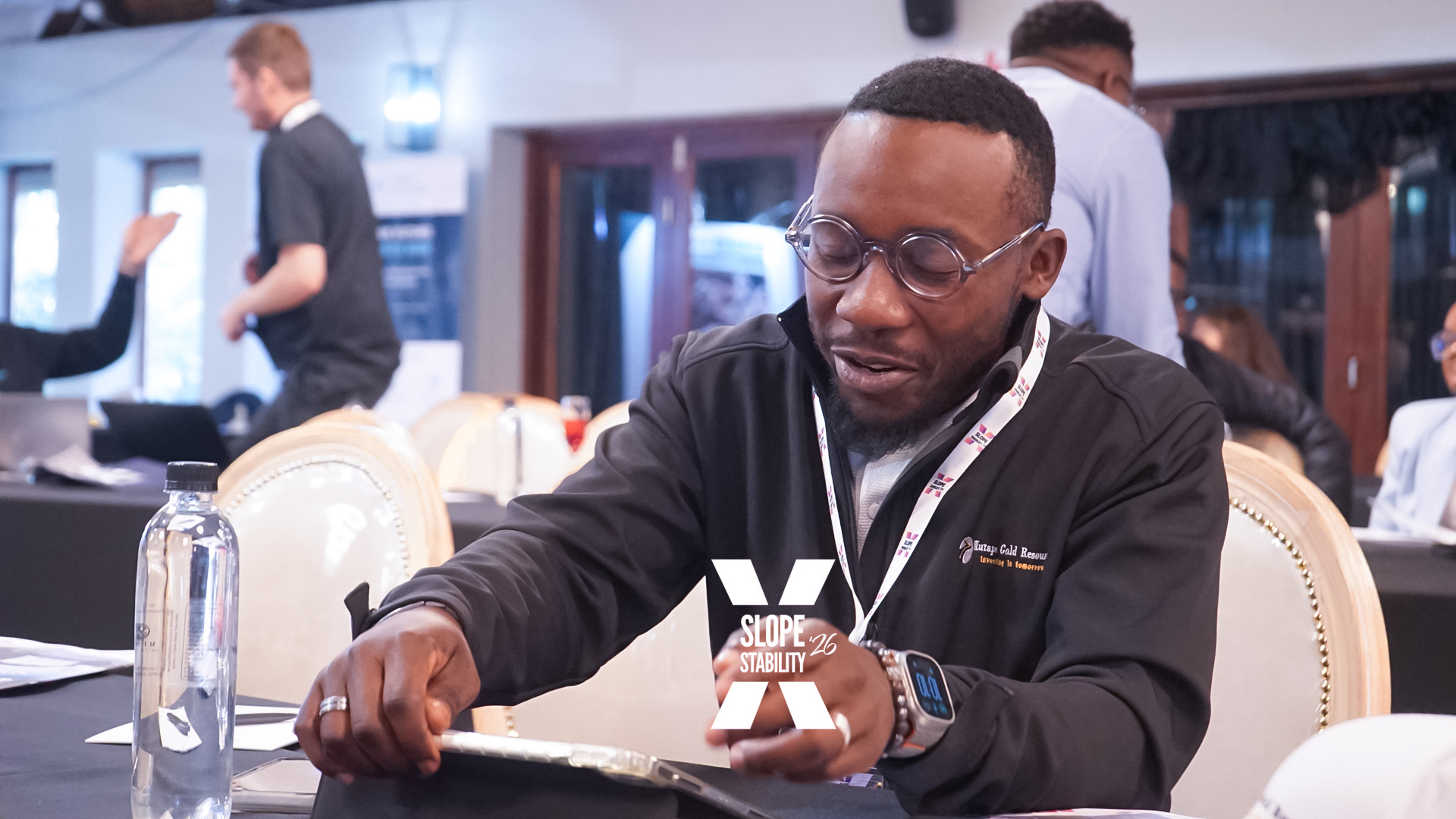
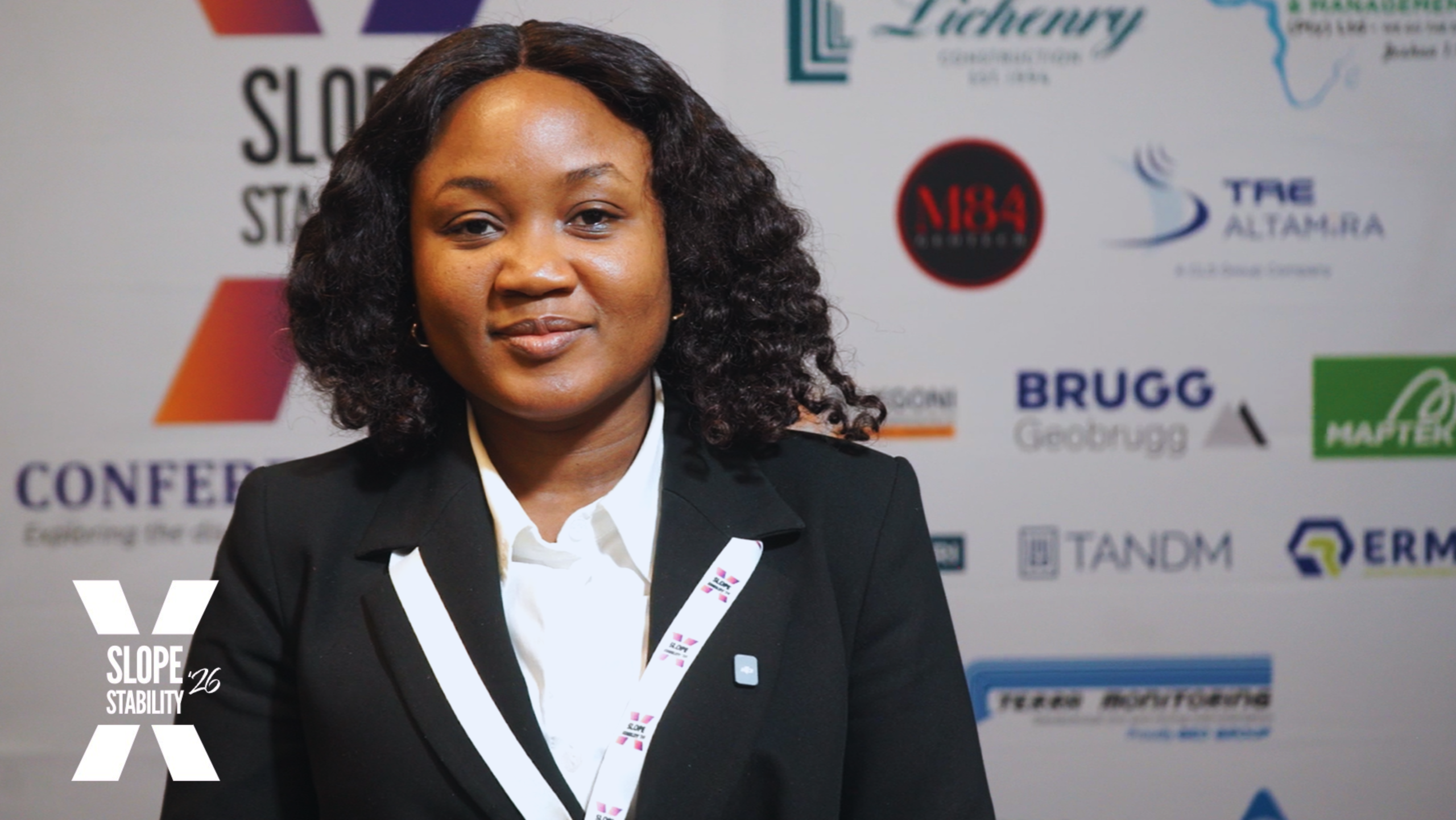
SSX26 brought those disciplines into one room. Over two days at The Garden Venue, speakers from Exxaro Resources, Anglo American, Vedanta Zinc International, Foskor, Menar Group, Letšeng Diamond Mine in Lesotho and Swakop Uranium in Namibia shared how they investigate, design, build and monitor slopes in working mines.
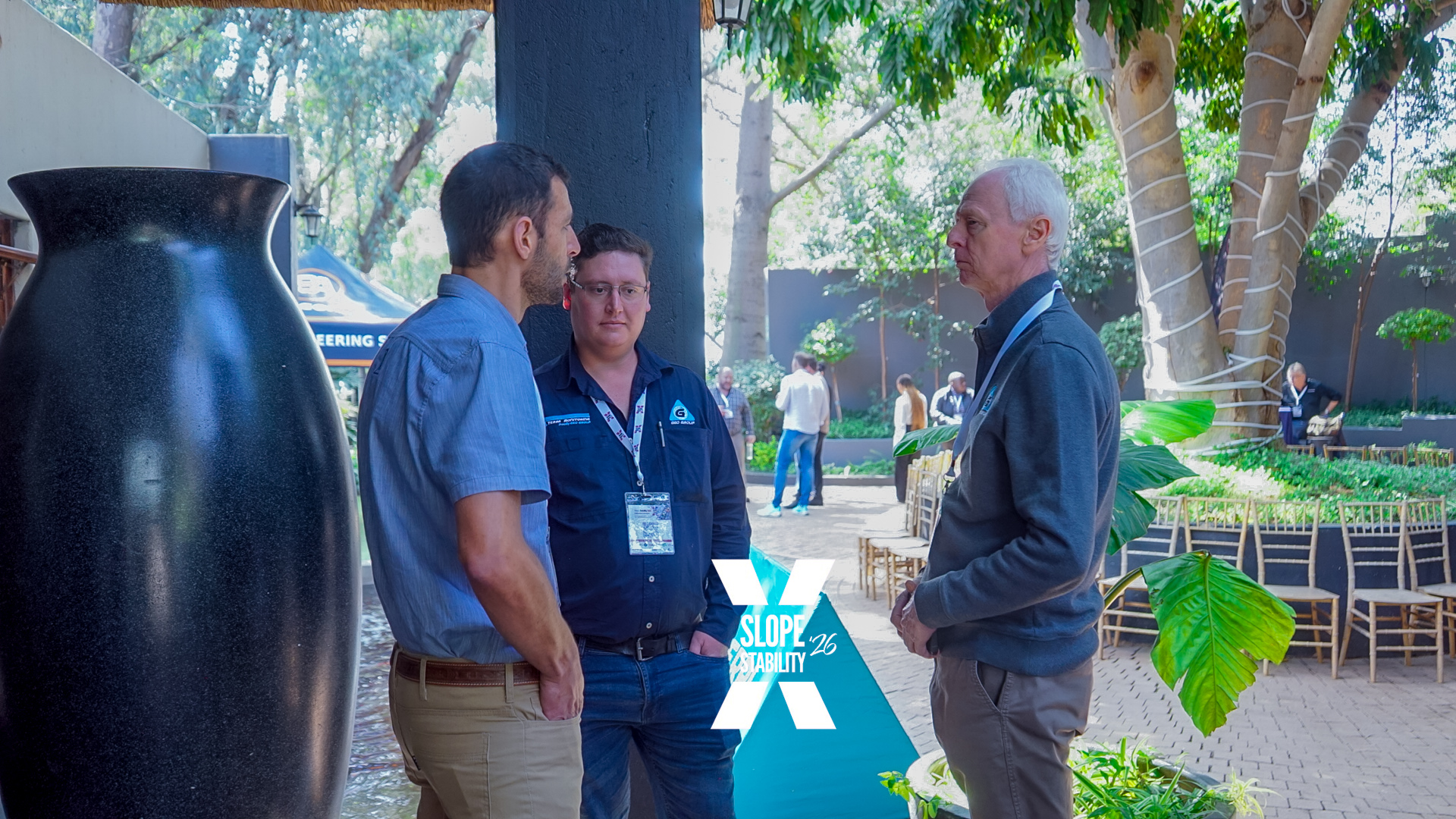
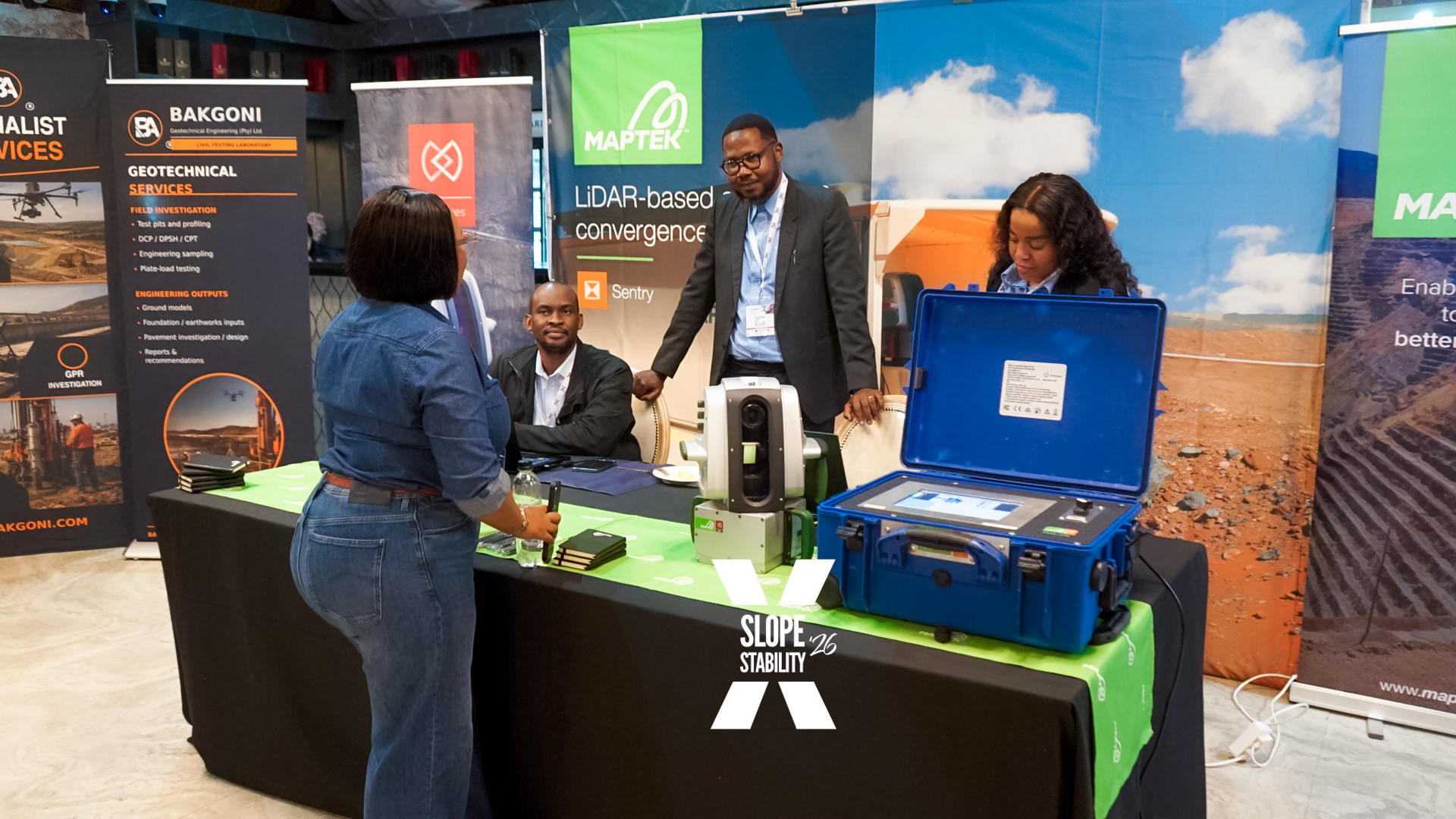
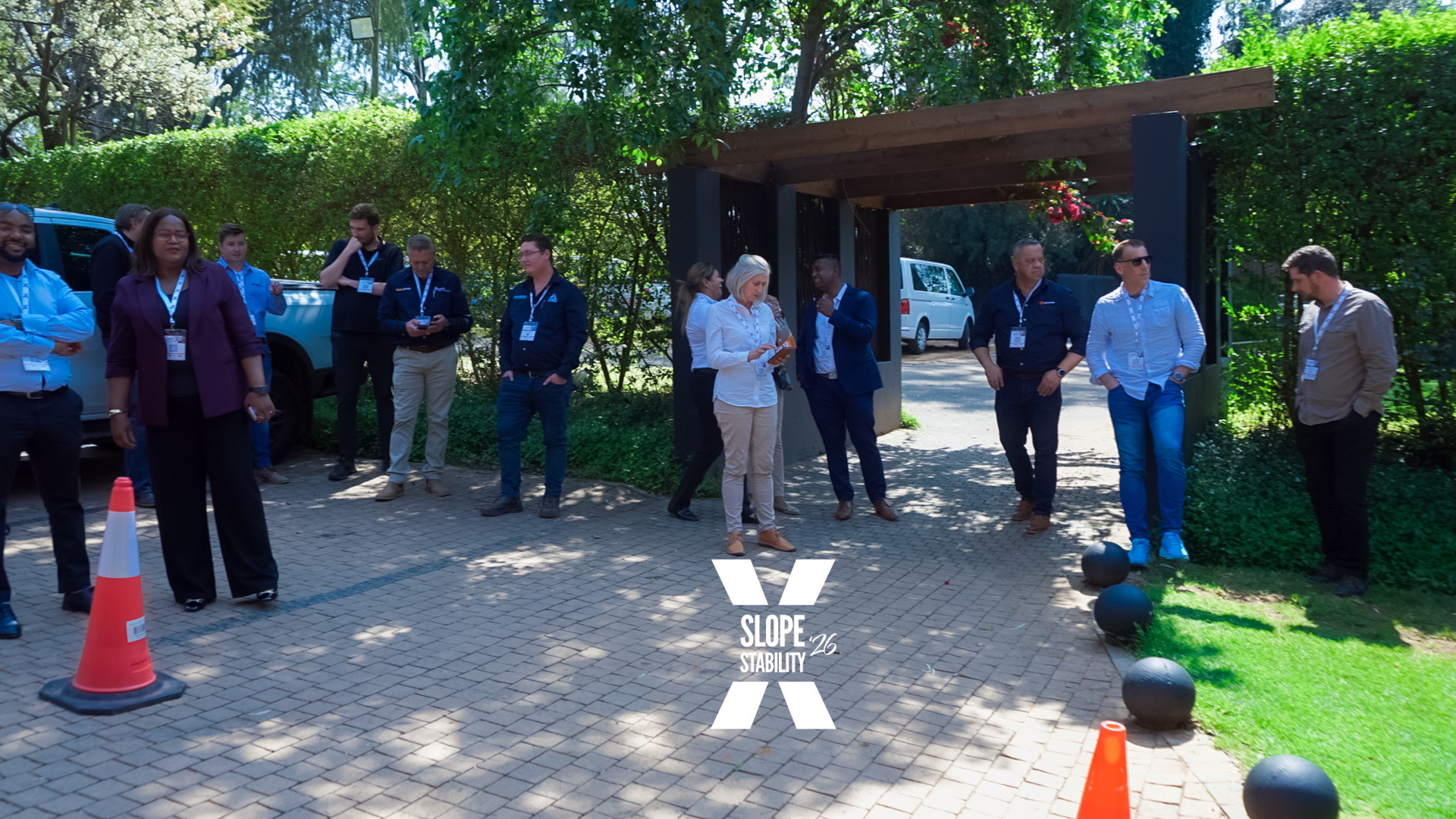
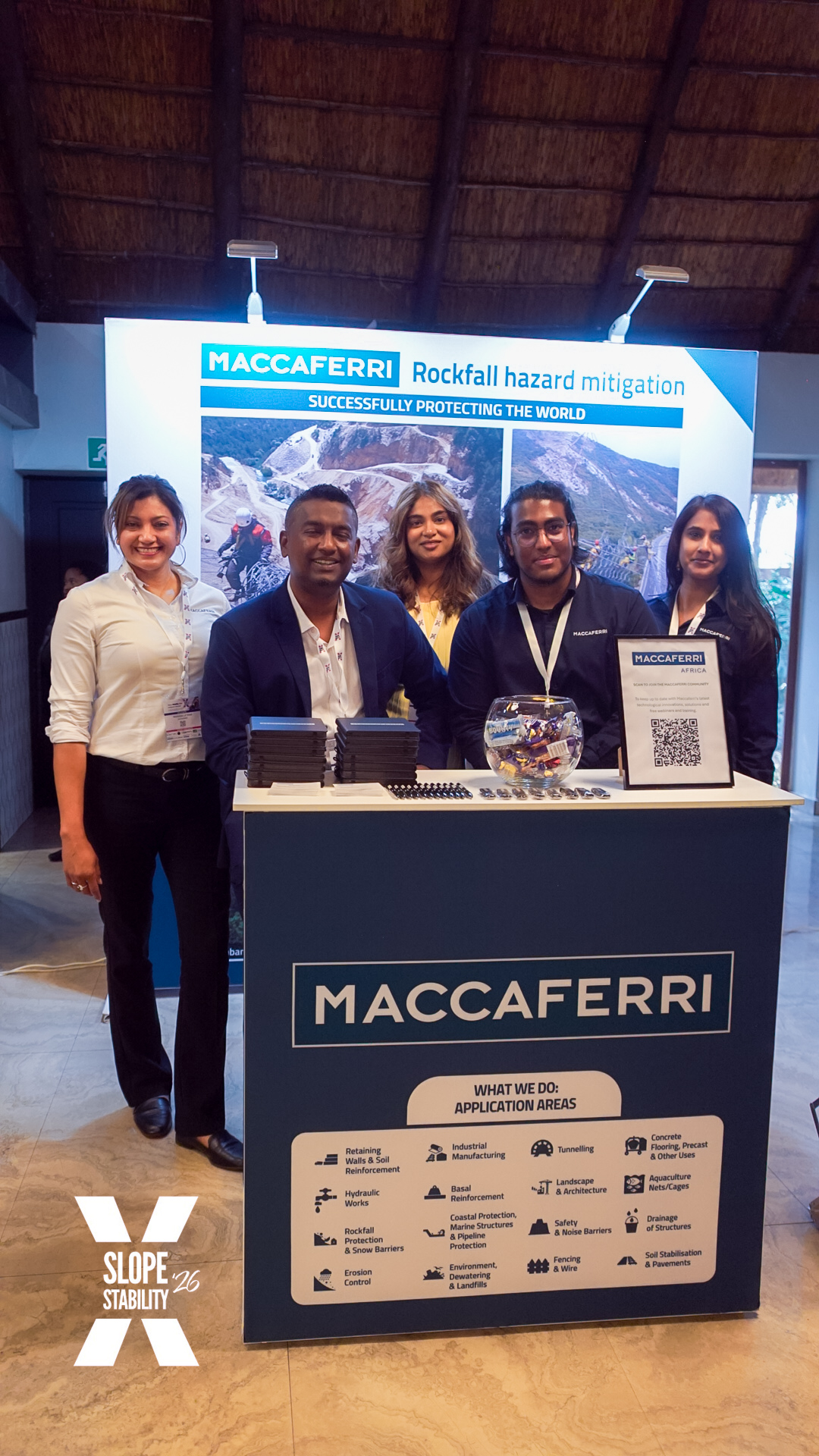
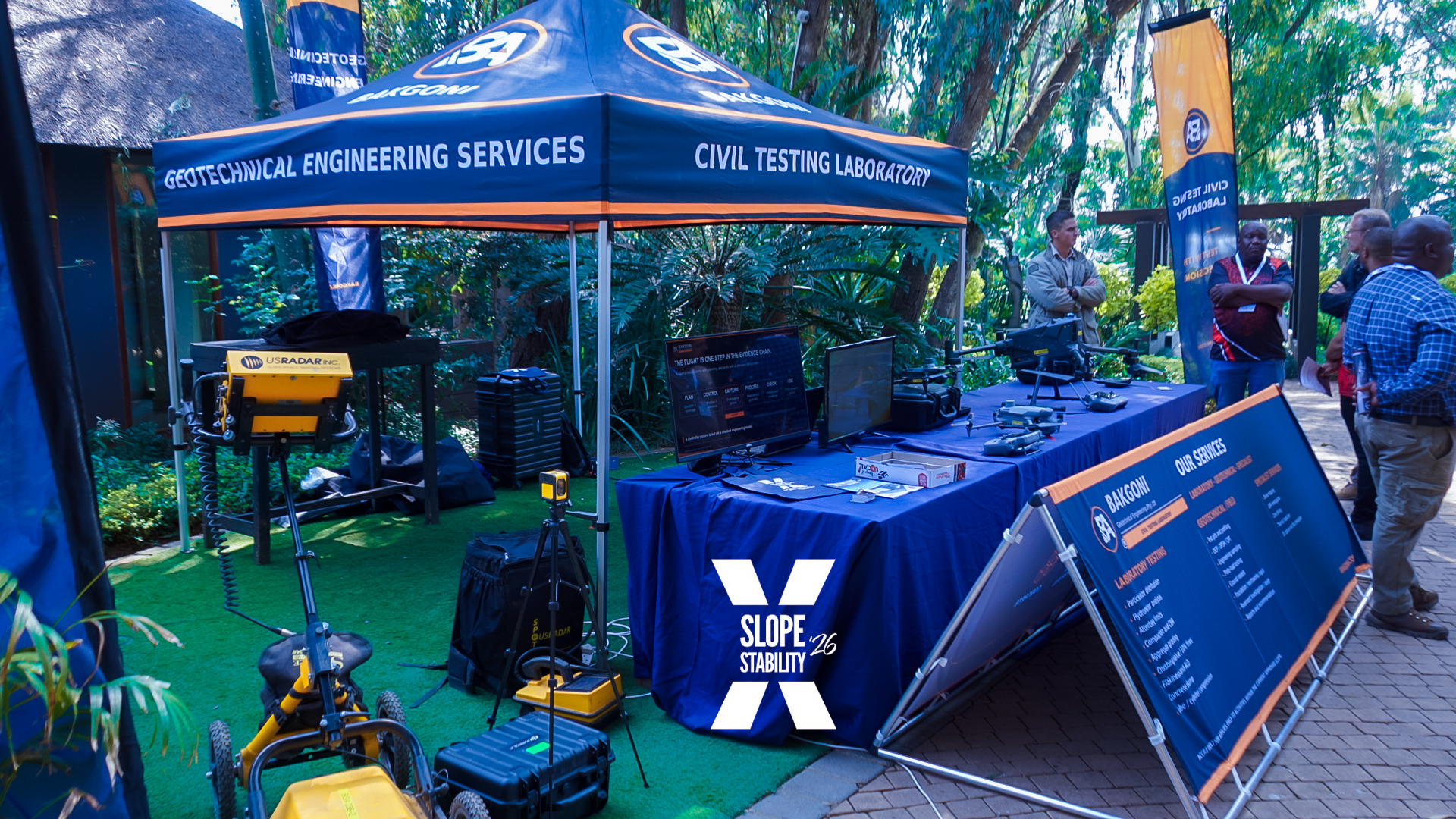
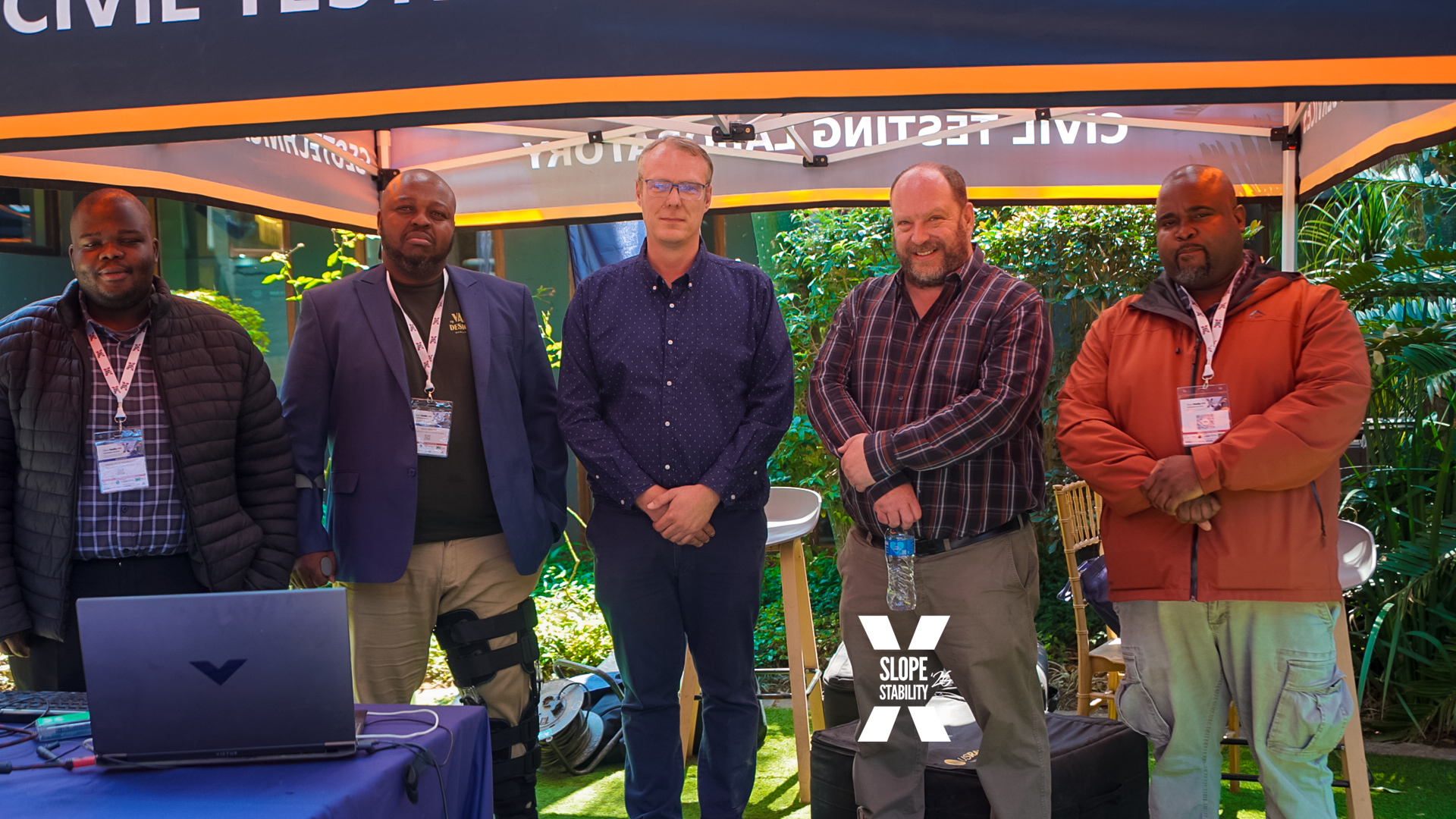
Alongside the programme, partners showed their technology at indoor exhibition stands and in the outdoor Slope Innovation Park, and delegates continued the conversation in the venue gardens between sessions.
The full life of a slope
Investigation & site characterisation
What the ground is really telling us, from structural mapping to drones and soil characterisation.
Design & planning
Closing the gap between strategic mine design and what the ground allows.
Construction & execution
Rockfall protection and ground support that performs in the field, installed and tested correctly.
Monitoring & operations
Radar, prisms, InSAR and telemetry, and turning that data into early warning.
Risk & governance
Who owns geotechnical risk: safety leadership, regulation, enforcement and closure.
What was presented
Every session from the two-day programme. Request the speaker slides below.
Opening address: ESG & HSE in mining — redefining risk ownership in geotechnical operations

Opening keynote: From compliance to culture — redefining safety leadership in modern mining

Mine planning for slope stability: bridging strategic design and ground reality

Exploring structural influence in slope stability analysis

How do you design rockfall protection systems that actually perform in the field?

Eyes in the sky: drone technology for smarter slope investigationA live drone demonstration of high-resolution aerial mapping, survey-grade RTK measurement and close-up inspection of slopes and mine infrastructure.

in
The role of satellite interferometry in integrated strategic monitoring of mine slope stability

Rockfall mitigation solutions: innovative systems for slope stabilisation, hazard protection and infrastructure resilience

Reading the signs early: from geotechnical monitoring to data-driven failure prediction

Monitoring and assessing pit wall stability: integrating radar, prisms, InSAR and field investigations

Key considerations for effective slope performance monitoring: a case study

Who watches the ground after closure? A rock engineering perspective on rehabilitation success

From monitoring to early warning: instrumentation, telemetry and real-time data for proactive slope risk management
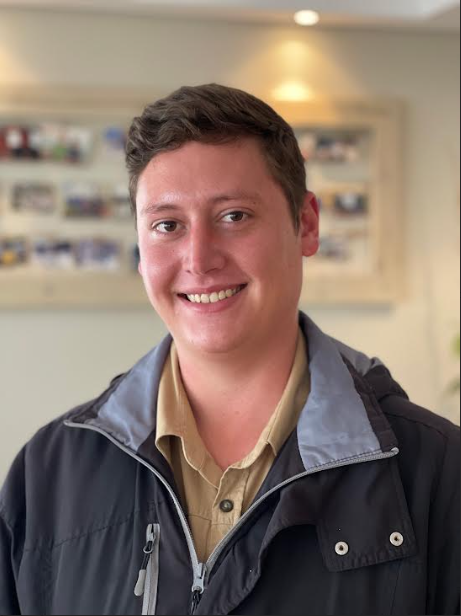
Getting ground support right: correct installation and testing of products for mining and civils
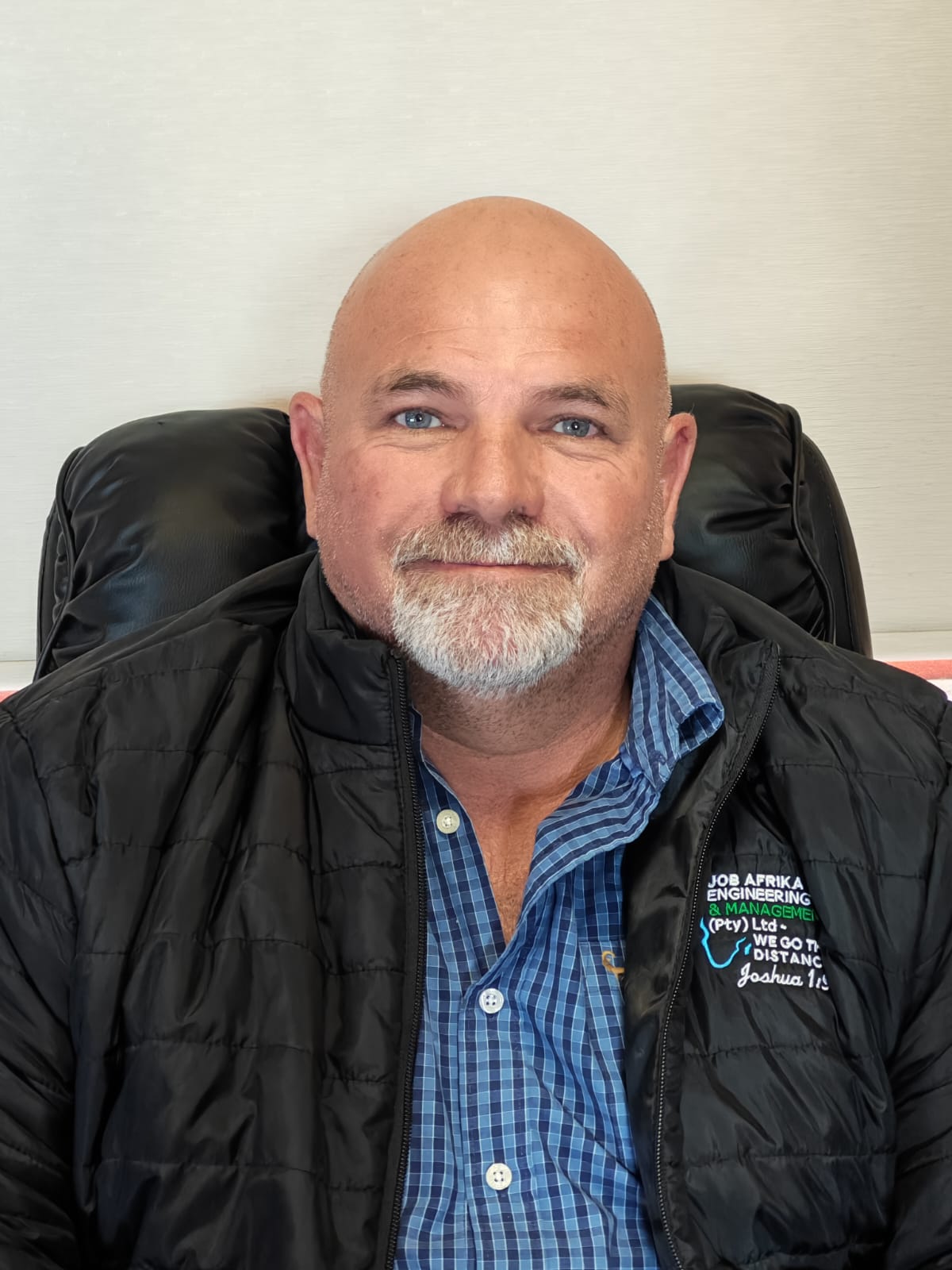
Early Warnings: unlocking the full potential of LiDAR data for MRM integration, performance and safety improvement, compliance enforcement and movement detection

From field to failure: how soil characterisation quality determines slope performance

Testing for the worst case: assessing effective stress and pore pressure response in problematic African soils

Two days at The Garden Venue


The partners behind SSX26
Thank you to the organisations that made the first Slope Stability X possible.











Watch the talks
We are releasing the SSX26 session recordings one at a time. Join the SSX27 list and we will let you know as each one goes live.
Request the speaker slides
Tell us who you are and we will email you the SSX26 presentation slides that speakers have released.
We use your details only to contact you about this event. See our privacy policy.
The conversation continues at Slope Stability X27
More speakers, shorter sessions and the same five themes, taken further. The early-bird waitlist and call for papers are open.